Did you know that the liver is one of the body’s most resilient yet silent organs? Chronic liver inflammation often progresses for years without a single warning sign, leaving many unaware of the damage until complications arise.
World Hepatitis Day is observed on 28 July to raise awareness of viral hepatitis and promote vaccination, testing and treatment. Chronic hepatitis B and C can remain unnoticed for years while liver damage progresses. Early diagnosis and appropriate care can help reduce the risk of cirrhosis, liver failure and liver cancer.
The World Hepatitis Day 2026 theme,
“Hepatitis: Let’s Break It Down,” calls for action against misinformation, stigma and barriers to care. According to the World Health Organization, 287 million people were living with chronic hepatitis B or C in 2024, 1.3 million died from these infections, and only 45% of babies received the hepatitis B vaccine within 24 hours of birth.
What is hepatitis and what causes it?
Hepatitis means inflammation of the liver. It may result from viral infections, alcohol, fatty liver disease, certain medicines or supplements, toxins, or autoimmune disease.
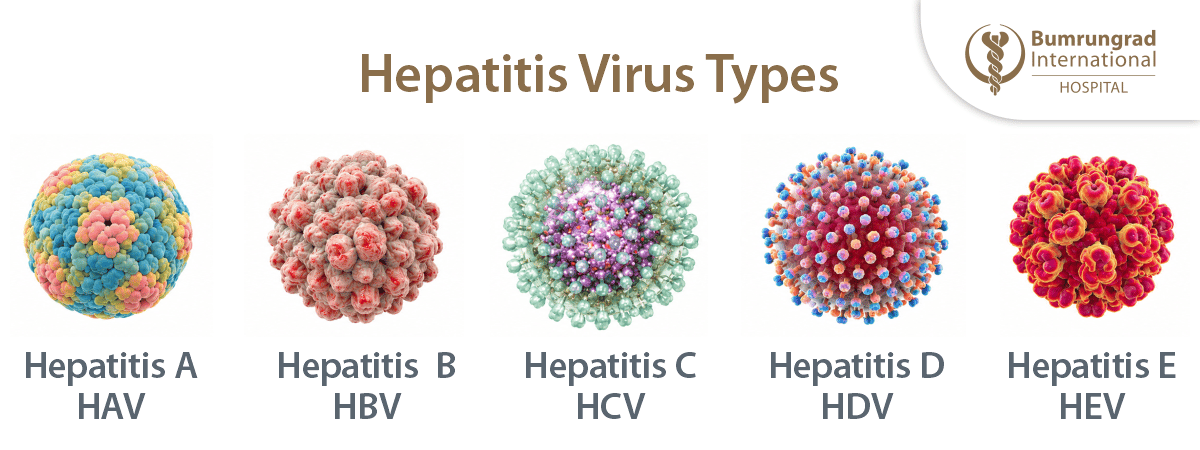
Understanding the Types of Viral Hepatitis
| Type |
Main route of transmission |
Can it become chronic? |
Vaccine available? |
| Hepatitis A |
Contaminated food or water and close contact |
Usually no |
Yes |
| Hepatitis B |
Infected blood and body fluids, including sexual contact and mother-to-baby transmission |
Yes |
Yes |
| Hepatitis C |
Mainly infected blood, including exposure through non-sterile equipment |
Yes |
No |
| Hepatitis D |
Infected blood or body fluids; occurs only in people with hepatitis B |
Yes |
No specific vaccine; prevented through hepatitis B vaccination |
| Hepatitis E |
Mainly contaminated food or water |
Usually no, although chronic infection can occur in some people with weakened immune systems |
Yes, but licensed in a limited number of countries; not routinely available in Thailand |
Hepatitis A and E are generally short-term infections. Hepatitis B, C and D may become chronic and gradually damage the liver. Because transmission, prevention and treatment differ by type, appropriate testing is important.
What are the symptoms of hepatitis?
Many people with chronic hepatitis B or C have no symptoms. When symptoms occur, they may include:
- Fatigue or weakness
- Loss of appetite or nausea
- Upper-right abdominal discomfort
- Dark urine or pale stools
- Yellowing of the skin or eyes, known as jaundice
Specific blood tests are needed to identify viral hepatitis. Liver function tests assess how the liver is working but cannot confirm hepatitis B or C by themselves. Imaging, elastography or other tests may be used to evaluate fibrosis or other liver damage.
Who should get tested for hepatitis B and C?
Ask a doctor whether hepatitis screening is appropriate if you:
- Were born in or lived in an area where hepatitis B or C is common
- Have a family member or partner with viral hepatitis
- May have been exposed to infected blood or shared injection equipment
- Had a tattoo, piercing or medical procedure with uncertain sterilization
- Have abnormal liver tests or known liver disease
- Are pregnant and require recommended prenatal screening
Testing recommendations depend on health history, pregnancy status, local clinical guidance and individual risk.
How can hepatitis be prevented?
Vaccines are available for hepatitis A and B. Hepatitis B vaccination also protects against hepatitis D because hepatitis D cannot occur without hepatitis B. There is no vaccine for hepatitis C. A hepatitis E vaccine is licensed in some countries but is not widely available worldwide.
To reduce your risk:
- Follow recommended hepatitis A and B vaccination schedules.
- Wash your hands and consume safe food and water.
- Avoid sharing needles, razors, toothbrushes or nail tools.
- Practice safer sex.
- Choose medical, dental, tattoo, piercing and cosmetic services that use sterile equipment.
Support liver health by limiting alcohol, maintaining a healthy weight and using medicines or supplements only as advised by a healthcare professional.
Frequently asked questions
Can hepatitis be present without symptoms?
Yes. Chronic hepatitis B and C can remain silent for years. Screening may identify infection before complications develop.
Can hepatitis be treated?
Treatment depends on the type. Direct-acting antiviral medicines can cure more than 95% of hepatitis C infections. Treatment for chronic hepatitis B can suppress the virus and lower the risk of cirrhosis and liver cancer.
Is hepatitis screening the same as a liver function test?
No. Liver function tests measure enzymes and other indicators of liver health. Separate viral hepatitis blood tests are needed to identify hepatitis B or C.
Can viral hepatitis cause liver cancer?
Yes. Long-term hepatitis B, C or D can cause continuing inflammation and liver scarring, increasing the risk of liver cancer. Testing, monitoring and appropriate treatment can help reduce this risk.
Hepatitis testing and liver care in Bangkok
Bumrungrad International Hospital was recognized by Newsweek, in collaboration with Statista, among the
Best Specialized Hospitals Asia Pacific 2026 across all 10 specialties evaluated. In gastroenterology, Bumrungrad ranked
10th among 75 hospitals in the Asia-Pacific region and No. 1 in Thailand.
At the
Digestive Disease (GI) Center at Bumrungrad International Hospital in Bangkok, Thailand, gastroenterologists and hepatologists provide hepatitis screening, liver health assessments, diagnostic testing, fibrosis evaluation, monitoring and individualized treatment guidance.
World Hepatitis Day 2026 is an opportunity to review your vaccination history, understand your risk factors and ask whether hepatitis screening is right for you.
For more information please contact:
Last modify: July 21, 2026